
Blog • Tenants
The Accidental Landlord: Selling the Duluth House You Never Meant to Rent
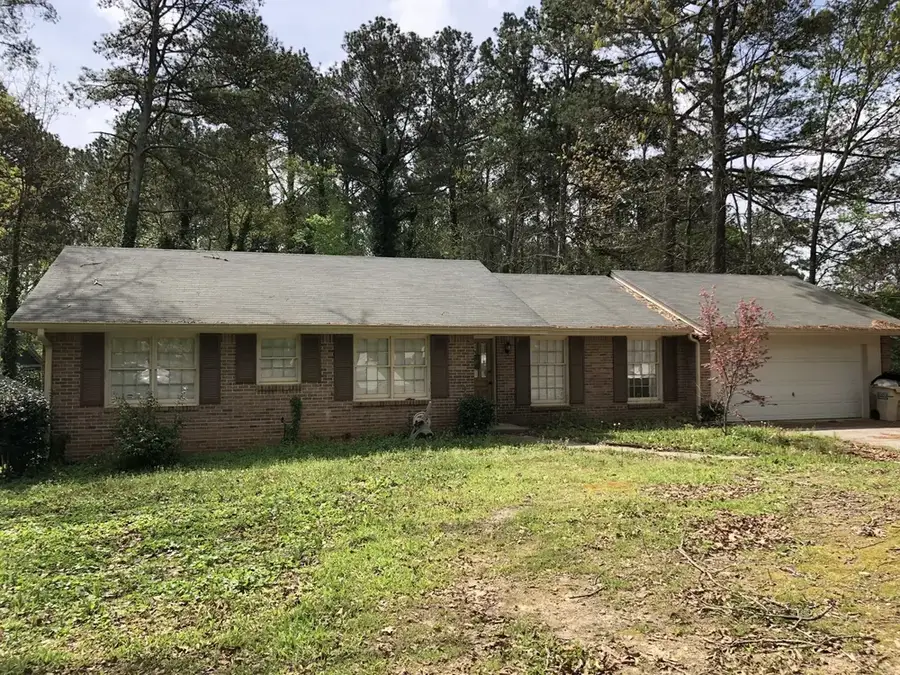
It seemed like the smart move at the time. You bought a new place, the market was slow, so you rented out your old Duluth house instead of selling it. A few years later you’re fielding late-night repair calls, chasing rent, and wondering how you became a landlord at all.
If that’s you, you’re an “accidental landlord,” and you have more control over what happens next than it might feel like. This guide covers the tax clock most accidental landlords don’t know about, what Georgia law expects of you, and how to get out cleanly, with or without your tenants still in place.
You’re Not Alone, and You’re Not a “Real Estate Company”
Most rental homes in America aren’t owned by big corporations. They’re owned by regular people. A Congressional Research Service report on who owns U.S. rental housing shows that individual owners hold the largest share of single-family rentals. Many of them never set out to be landlords. A job change, a marriage, or a slow market simply left them holding two houses.
That matters because the stress you’re feeling is normal. You didn’t sign up to run a business. You signed up to keep a house from sitting empty.

The Tax Clock Most Accidental Landlords Miss
This is the part that can cost real money if you wait too long.
When you sell your main home, the IRS lets you exclude up to $250,000 of gain ($500,000 for most married couples) if you owned the home and lived in it for at least two of the five years before the sale. That’s spelled out in IRS Publication 523.
For an accidental landlord, that rule creates a window. If you lived in the Duluth house for at least two years before you moved out and rented it, you generally have about three years from move-out to sell and still meet the “two of five years” test. Wait longer, and the exclusion can disappear.
There’s a second piece. When a home is a rental, it’s depreciated over 27.5 years under IRS Publication 527. Publication 523 explains that the depreciation you took, or were entitled to take, after May 6, 1997 can’t be excluded and may be taxed when you sell. That’s true even if you never actually claimed it.
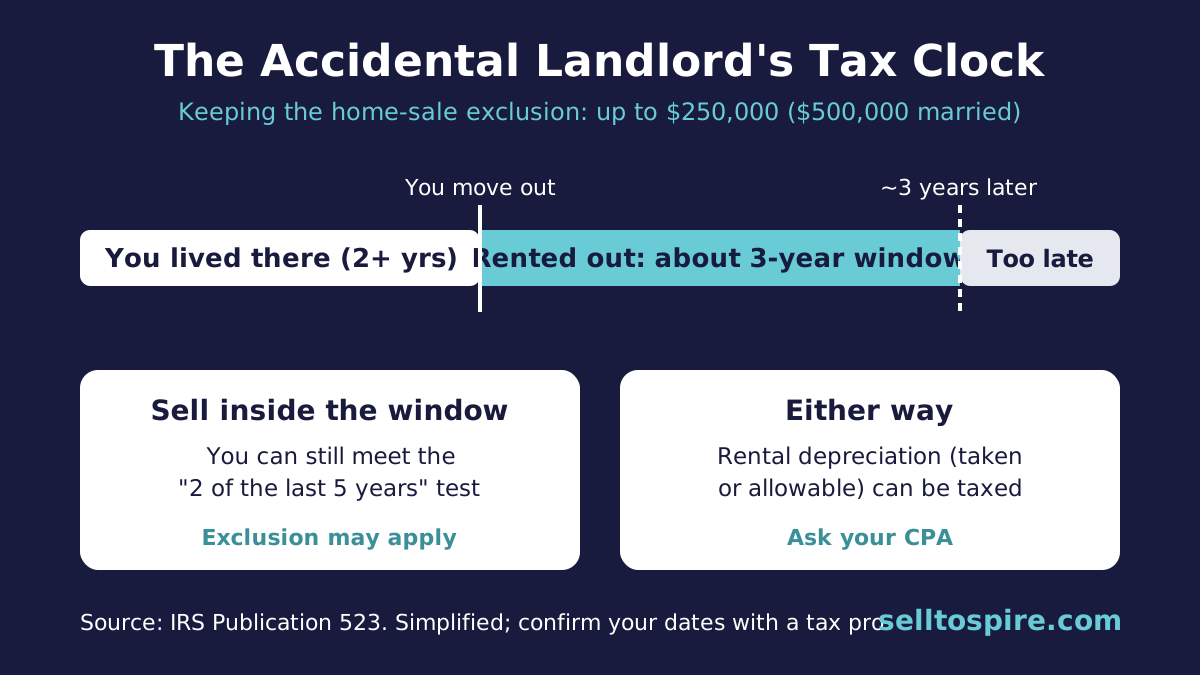
Every situation is different, so sit down with a CPA before you set a sale date. The point is simple: the clock is running, and knowing your date puts you back in control.
What Georgia Expects From You as a Landlord
Georgia’s rules are fairly landlord-friendly, but they still take time and paperwork. The Georgia Landlord-Tenant Handbook notes that there’s no government agency that can step in to settle a landlord-tenant dispute. If you and a tenant can’t work it out, the courts are the only option.
In Duluth, that means the Gwinnett County Magistrate Court. According to the court’s own dispossessory (eviction) FAQ, once a tenant is served, they have seven days to file an answer. Hearings, appeals, and a writ of possession can stretch things out from there.
None of this is meant to scare you. It’s meant to show why so many accidental landlords decide that being a landlord isn’t the life they want.

Your Three Real Options
1. Keep renting and hire a property manager
A good manager handles calls, rent collection, and turnovers. Expect to pay a monthly percentage of rent plus leasing fees. This works when the house rents well, needs little work, and you want to hold it long-term.
2. Wait for the lease to end, then list it
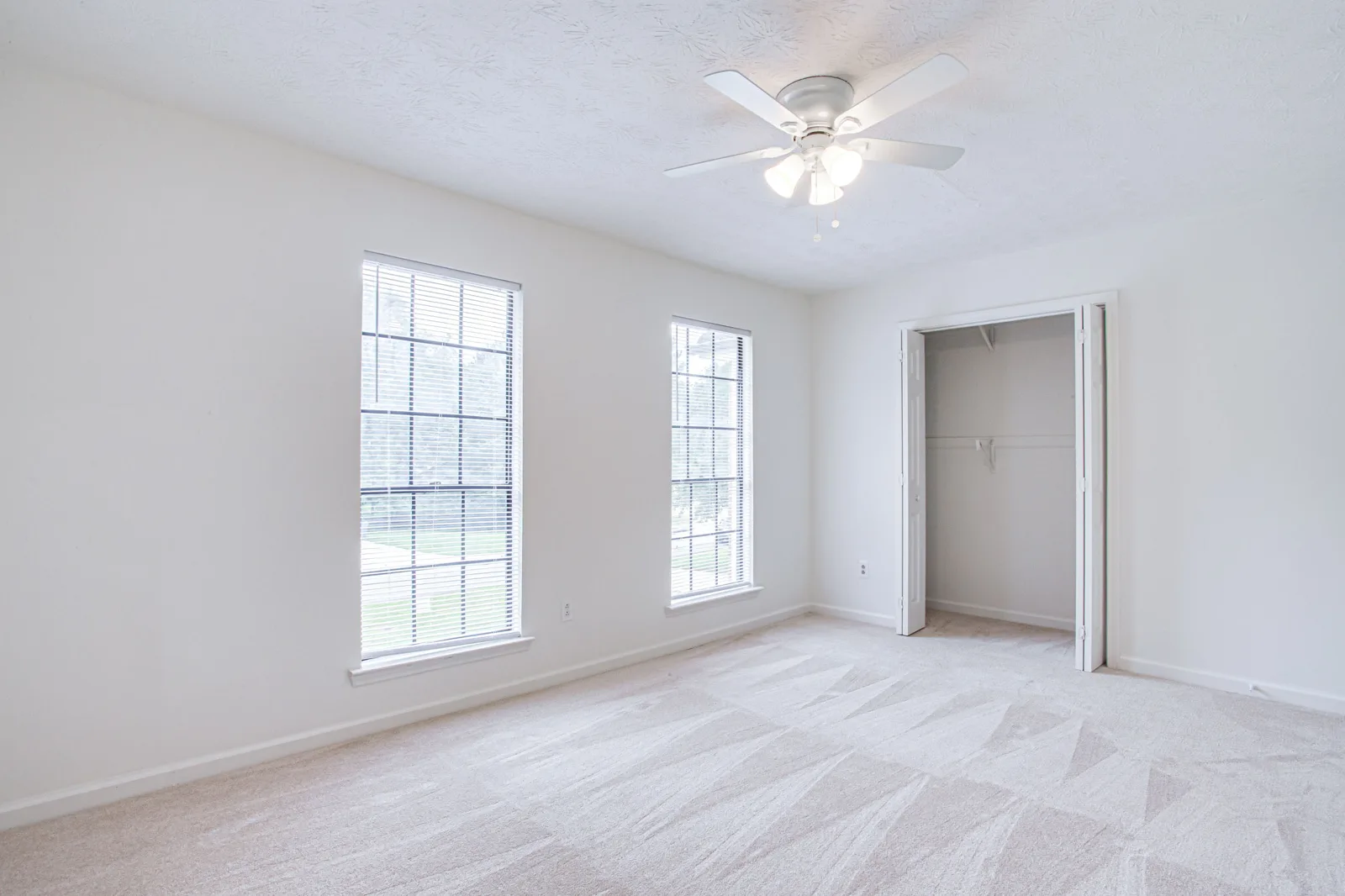
You give proper notice, the tenant moves out, and you prepare the house for market. Plan on repairs after years of wear, fresh paint, carpet, and a few months of mortgage, insurance, and utilities while it’s vacant and listed. This works when you have time and cash to get it ready.
3. Sell it as-is, even with tenants in place
This is the path most accidental landlords wish they’d known about sooner. Spire Home Buyers buys rental houses in Duluth with the tenants still living there. You don’t need to wait for the lease to end, fix anything, or ask your tenant to keep the house show-ready.
Learn more about how that works on our selling a rental with tenants page, or read our guide to selling a house with tenants.
How Selling to Spire Works
- A short conversation about the house, the lease, and your timeline.
- A same-day offer. No repairs, no showings, no disrupting your tenant with open houses.
- You pick the closing date. It can be as soon as 7 days, or timed to the end of a lease.
- We take it from there. The lease and tenant relationship transfer with the house.
We guarantee to close on time at the agreed-upon price. We don’t rely on bank financing, so an appraisal can’t derail the sale.

Is It Time to Sell? Ask Yourself These Questions
- Am I inside my three-year window to keep the home sale tax exclusion?
- Does the rent actually cover the mortgage, taxes, insurance, and repairs?
- How many hours a month does this house take from my family or my job?
- Would the equity work harder for me somewhere else?
If two or more answers point toward selling, it’s worth getting a real number so you can compare.
FAQ
Can I sell my rental house in Duluth with tenants living in it?
Yes. You can sell a rental with tenants in place, and the existing lease generally transfers to the new owner. Spire buys tenant-occupied houses in Duluth regularly, so you don’t need to wait for the lease to end.
How long do I have to sell after moving out and still avoid capital gains tax?
Under IRS rules, you generally must have owned and lived in the home for two of the five years before the sale. If you lived there at least two years before renting it, that usually leaves about three years after you move out. Confirm your exact dates with a CPA.
Do I have to fix up my rental before selling it?
Not if you sell as-is to Spire. We buy rental houses in their current condition, including tenant wear and tear, older systems, and deferred maintenance.
Ready to Stop Being a Landlord?
You never meant to run a rental business, and you don’t have to keep running one. If you’re ready for relief from the repair calls and the rent chasing, start with a quick, no-pressure conversation. Visit our Duluth home buying page, get your guaranteed cash offer, or call 470-570-7021.
Thinking About Selling?
Get a fair, no-obligation cash offer on your house — often within 24 hours.
Prefer to talk now? Call 470-570-7021.
Get Your Free Cash Offer
No Fees • No Obligation • No Pressure